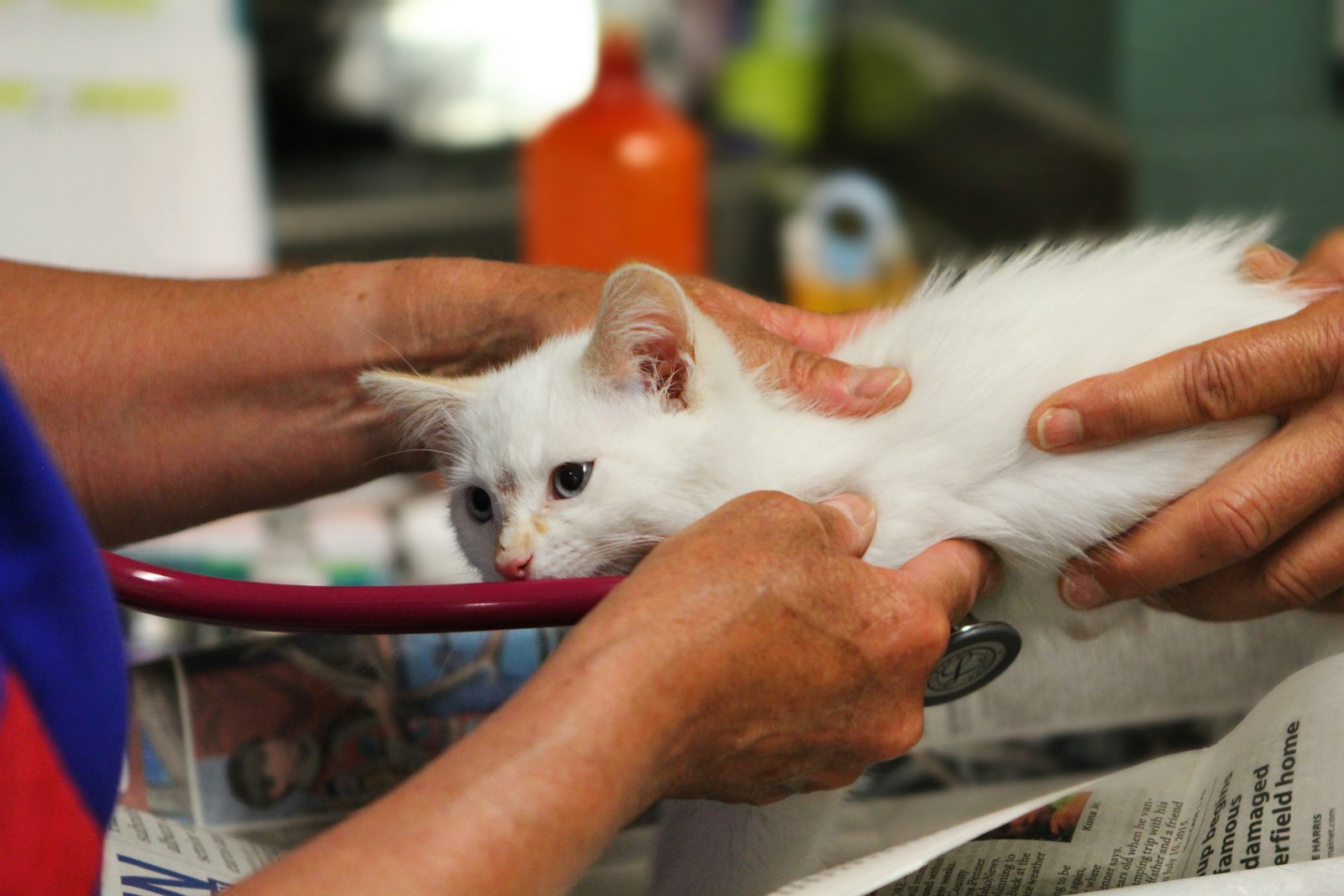
A sudden vet bill can run into thousands of dollars. Pet insurance spreads that risk, but the details decide how useful it is.
Key points
- Most pet insurance reimburses you after you pay the vet, rather than paying the vet directly.
- Accident-and-illness plans cover far more than accident-only plans.
- Pre-existing conditions are generally excluded, so insuring a pet while young and healthy matters.
- Waiting periods apply before some coverage starts.
- Wellness add-ons for routine care are optional and often roughly break even.
Veterinary care has become more advanced, and more expensive. Pet insurance can help cover unexpected costs, but plans vary widely.
How it works
Most pet insurance is reimbursement-based:
- You take your pet to a licensed vet and pay the bill.
- You submit a claim with the invoice.
- The insurer reimburses you for covered costs, minus your deductible and reimbursement percentage.
Types of plans
| Plan | What it covers |
|---|---|
| Accident-only | Injuries such as broken bones, cuts and swallowed objects |
| Accident and illness | Injuries plus illnesses such as infections, cancer and chronic conditions |
| Wellness add-on | Routine care such as checkups and vaccines, for an extra cost |
Key terms
- Deductible: what you pay before the insurer pays, often annual.
- Reimbursement rate: the share of covered costs the insurer pays, such as 70%, 80% or 90%.
- Annual limit: the maximum the plan pays in a year; some plans have no limit.
- Waiting periods: time before coverage starts, which may be longer for certain conditions.
Important
Pre-existing conditions, meaning problems that appeared before coverage started or during a waiting period, are generally excluded. Read how each insurer defines them, including whether “curable” conditions can become covered later.
Rules vary by state
Pet insurance is regulated by the states, and some have adopted rules based on a model law from the National Association of Insurance Commissioners that standardizes key definitions and disclosures. Check that the insurer is licensed in your state.
Is it worth it?
Ask yourself whether a sudden $3,000 to $5,000 vet bill would be manageable. If not, insurance, or a dedicated savings fund, can prevent a hard choice later.
Related guides
For your own belongings and liability, see our guide to renters insurance. Traveling with or without your pet? See our guide to travel insurance.
Frequently asked questions
Does pet insurance cover routine care?
Standard plans usually don’t cover vaccines, checkups or flea treatments. Some insurers sell optional wellness add-ons for routine care.
Can I use any vet?
Usually, yes. Because most plans reimburse you, you can typically see any licensed veterinarian.
Do premiums go up as my pet ages?
Often, yes. Premiums typically rise with age, and some plans have age limits for new enrollment.
Is a savings account a better option?
For some owners, a dedicated savings fund works well. Insurance is most useful if a large, unexpected bill would be hard to pay.
This guide is general information, not insurance, tax or legal advice. Rules, limits and deadlines change each year, so check HealthCare.gov, Medicare.gov or your insurer for your situation.